
BIOPHILIC DESIGN · STUDIOAYSE
Biophilic Design in Interior Design — What It Is & Why It Matters | Studioayse
What is Biophilia
Most people, when asked to picture a place where they feel completely at ease, describe somewhere in nature. The word biophilia — from the Greek for life and love — names what that instinct points toward: our deep, evolutionary bond with the living world. For more than 99% of our history, humans lived within natural environments. We have only been building permanent indoor spaces for a fraction of that time. The preferences our bodies developed for light, air, material texture, and living growth did not disappear when we moved inside.
The word biophilia comes from bio (life) and philia (love). It describes the deep, evolutionary bond humans have with living organisms and nature. For more than 99% of our history, humans lived in natural environments. We only began building permanent structures about 5,000 years ago, long after we evolved for life in nature. Because of this history, nature has shaped how our bodies and minds function, influencing our physical, emotional, and intellectual well-being.
Biophilic design means intentionally integrating elements of nature into the built environment to create positive emotional experiences — joy, calm, wonder, comfort, and connection.
Biophilic Design for Health and Well-Being
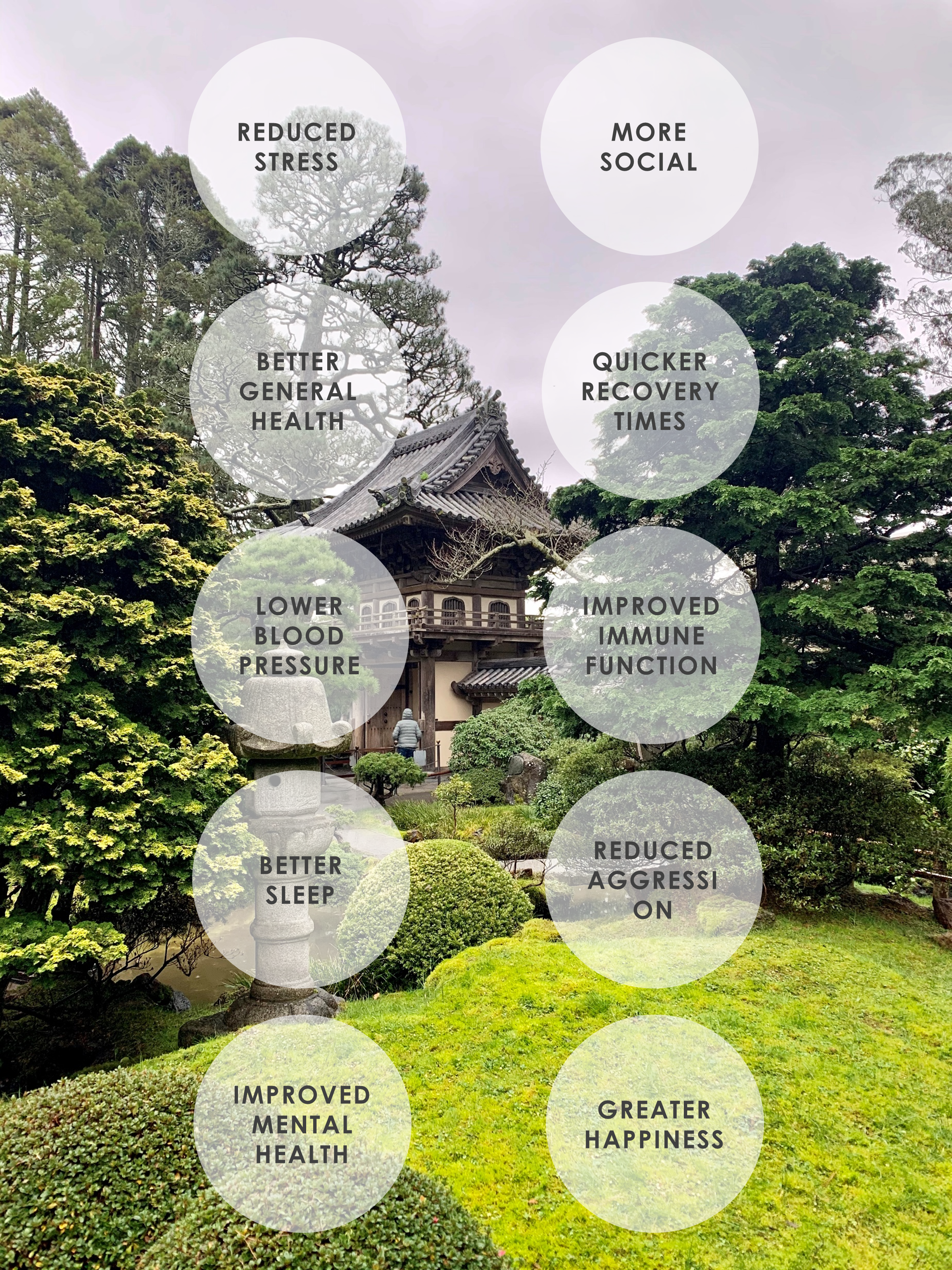
Although most of us spend the majority of our time indoors — on average up to 93% of it according to the Environmental Protection Agency — our bodies and minds still respond powerfully to natural elements and patterns. (EPA sources)Designed spaces that reflect aspects of nature can:
Reduce stress
Lower blood pressure
Improve sleep
Enhance mood and focus
Support social interaction
Strengthen immune function
Increase happiness
Incorporating natural light, airflow, plants, water, and natural materials helps make homes feel healthier, more restorative, and more supportive of everyday living.
Biophilic design is not a trend or a style. It is a design philosophy that can be applied across interior styles — from contemporary to traditional — because it supports how people feel in their spaces, not just how they look.
The Three Patterns of Biophilic Design
1. Direct Experience of Nature
These are elements that bring real nature into a space:
Natural light
Fresh air
Water features
Plants
Natural landscapes or views
Weather and seasonal changes
Fire elements (e.g., fireplaces)
In Lamorinda homes particularly — where mature trees, hillside lots, and garden views are already present — biophilic design has an especially natural starting point.
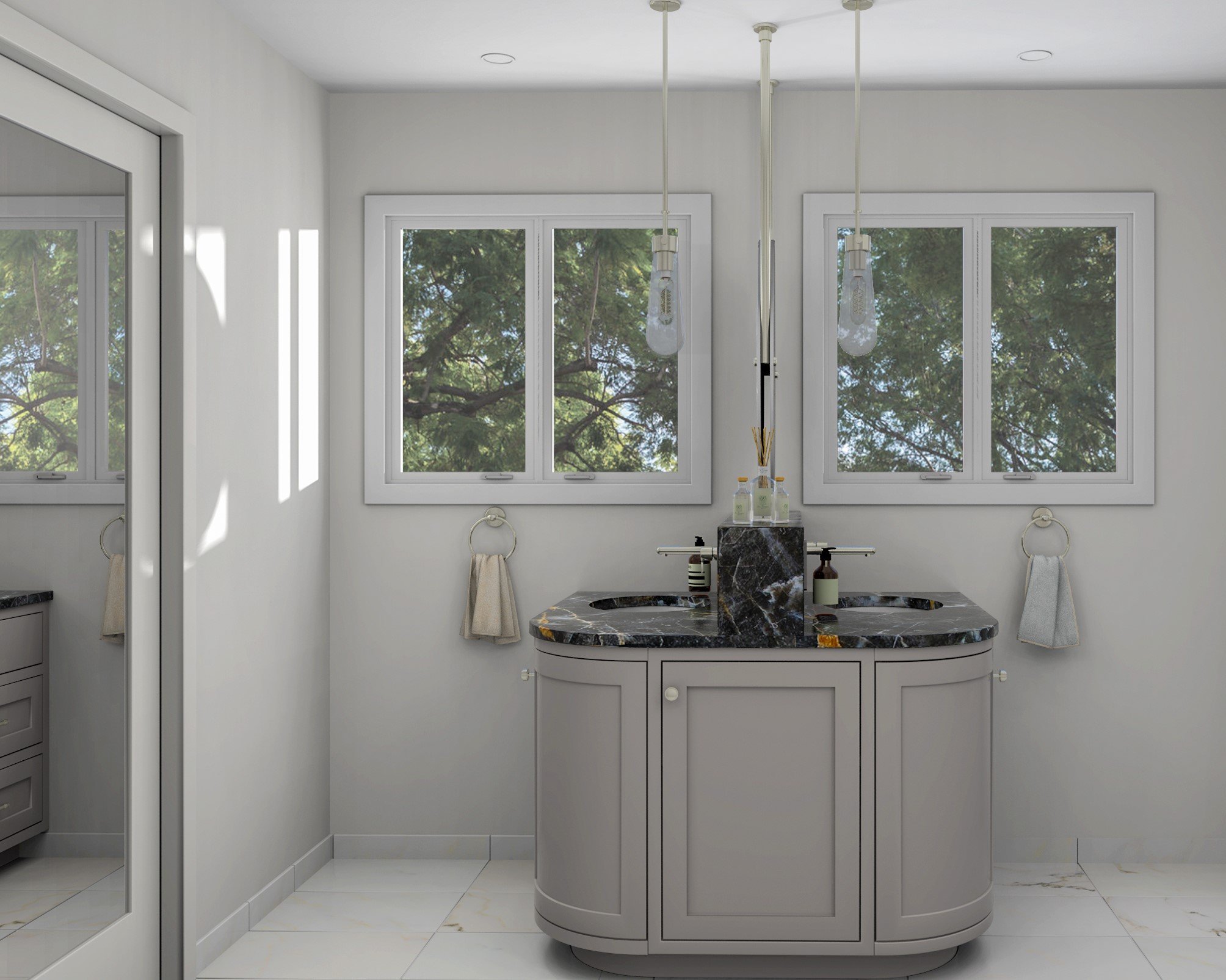
See this in the Orinda Sanctuary bathroom, where the shower was positioned to receive the north-facing windows' diffused light.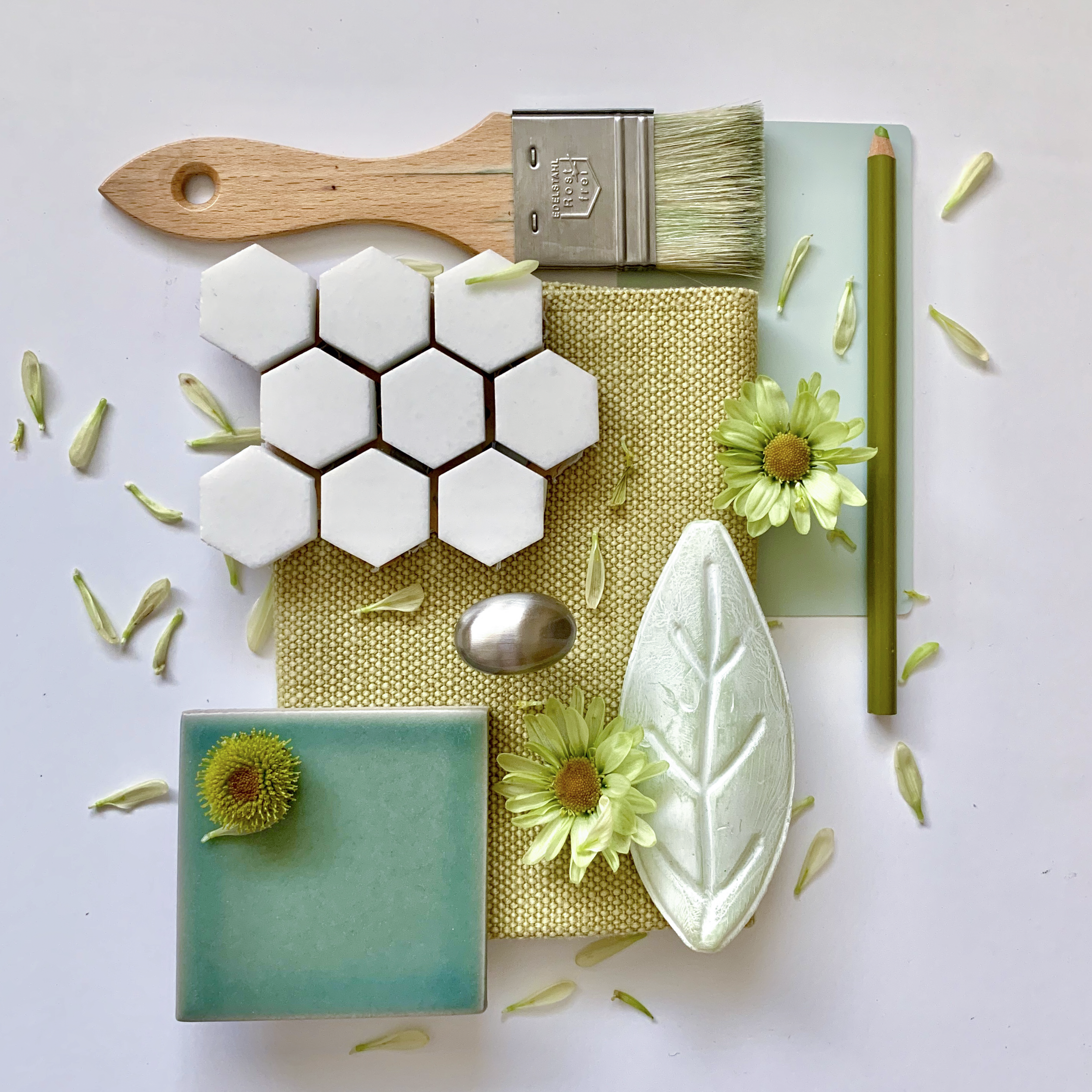
2. Indirect Experience of Nature
These design elements evoke nature and can be easily applied in living spaces:
Natural materials (wood, stone, metal with patina)
Natural colors
Simulated natural light and airflow
Nature imagery and patterns
Curved, organic shapes
Materials that age gracefully and develop patina
Biomimicry, natural geometry, and textures
The French Country Estate uses Azul marble, walnut, and aged brass for exactly this quality.
3. Experience of Space and Place
These relate to how a space feels and functions:
Prospect and refuge (comfort and visual openness)
Organized complexity that feels familiar and layered
Transitional spaces that create calm movement
Spatial clarity and intuitive wayfinding
Attachment to place through cultural and ecological cues
“Biophilic design is about creating good habitat for people as a biological organism in the modern buildings and constructions that advance people’s health, fitness and well-being.”
Dr. Stephen Kellert
Ready to see how these principles work in practice?
Biophilic Design at Home →Evidence Based Benefits of Biophilic Design
References
Environmental Protection Agency (Indoor Time Use Statistics)
Kellert, S. R., Biophilic Design Principles
Journal of Environmental Psychology (Stress & Natural Elements)