
BIOPHILIC DESIGN · STUDIOAYSE
Biophilic Design at Home
The first room I ever loved was designed by my mother. She didn't know the word biophilia — but she understood instinctively that the materials we live with, the light we wake up to, and the air moving through a room shape how we feel in our own skin. Our beds were linen and cotton. The furniture was made from locally sourced wood by craftsmen she knew. Floral patterns on the curtains. The garden visible from every corner. I grew up learning that good design isn't decoration — it's the conditions for living well.
That understanding became the foundation of my work as an interior designer. And when I later studied biophilic design formally, it confirmed everything I had already known from the inside out.
This page is about the practical side of biophilic interior design — how these principles translate into real rooms, real choices, and real daily life.
For a deeper understanding of what biophilic design is and the research behind it, see What is Biophilic Design →
What Are the Benefits of Biophilic Design at Home?
Homes that integrate natural elements, light, and materials support how the body and mind actually function — not just how a room looks in a photograph. The research is extensive and consistent.
In a well-designed biophilic home you will typically notice reduced stress and anxiety, better sleep quality, improved focus and mental clarity, a calmer nervous system, and a greater sense of ease in daily routines. These aren't subjective impressions — they reflect measurable changes in how the body responds to its environment.
Studies show that homes with genuine biophilic elements can reduce stress, support longer recovery from illness, improve sleep cycles, and even increase property value. But beyond the data, the change is felt daily. A bathroom that receives morning light. A kitchen built from materials that warm with use. A living room where the air moves. These are not luxuries — they are the difference between a house you inhabit and a home that supports you.
Natural Light — The Foundation of Biophilic Interior Design
Of all the changes you can make to a home, nothing has a greater effect on how you feel than light. Our bodies evolved to follow the arc of the sun — waking with it, working by it, winding down as it fades. When a room is starved of natural light, the body notices even when the mind doesn't.
In practice this means thinking about where light enters a room and at what time of day. A north-facing bathroom receives soft, even, consistent light all day — ideal for a calm morning routine. An east-facing kitchen catches the early sun. A west-facing living room holds the warmth of late afternoon. These are not accidents — they are decisions worth making deliberately.
When you cannot change the windows, change your relationship to them. Orient your most-used seat toward the light. Remove anything blocking the lower portion of a window. Use sheer curtains that filter rather than block. Mirrors placed opposite windows double the light without adding a single fixture.
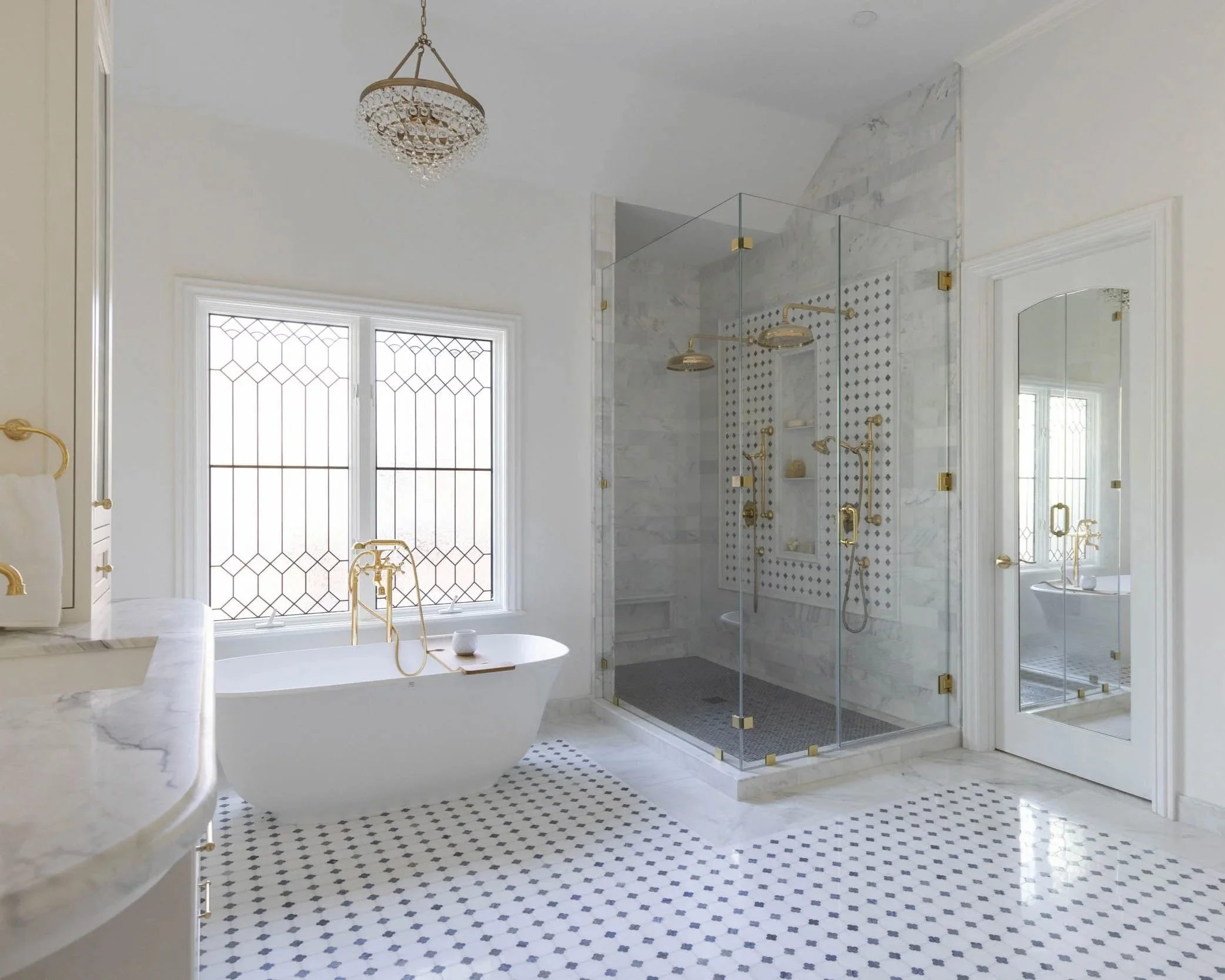
In the Azul Marble Spa primary suite, we removed a dropped ceiling to open the volume of the room and added an in-ceiling sound system so the space could hold music as naturally as it holds light. Small architectural decisions — raising a ceiling, repositioning a window, removing a dropped soffit — can transform how a room breathes.
For artificial light: color temperature matters more than most people realize. Warm white (2700–3000K) in living areas and bedrooms supports the body's natural wind-down. Cooler daylight-range light (4000–5000K) in a kitchen or workspace supports alertness. The Azul bathroom uses heated floors alongside layered lighting — the combination of warmth from below and calibrated light from above creates the sensory quality of a genuine spa without a single contrived element.
These same principles apply whether you're designing a biophilic bathroom, a kitchen renovation, or a full home.
The Azul Marble Spa — Primary Suite →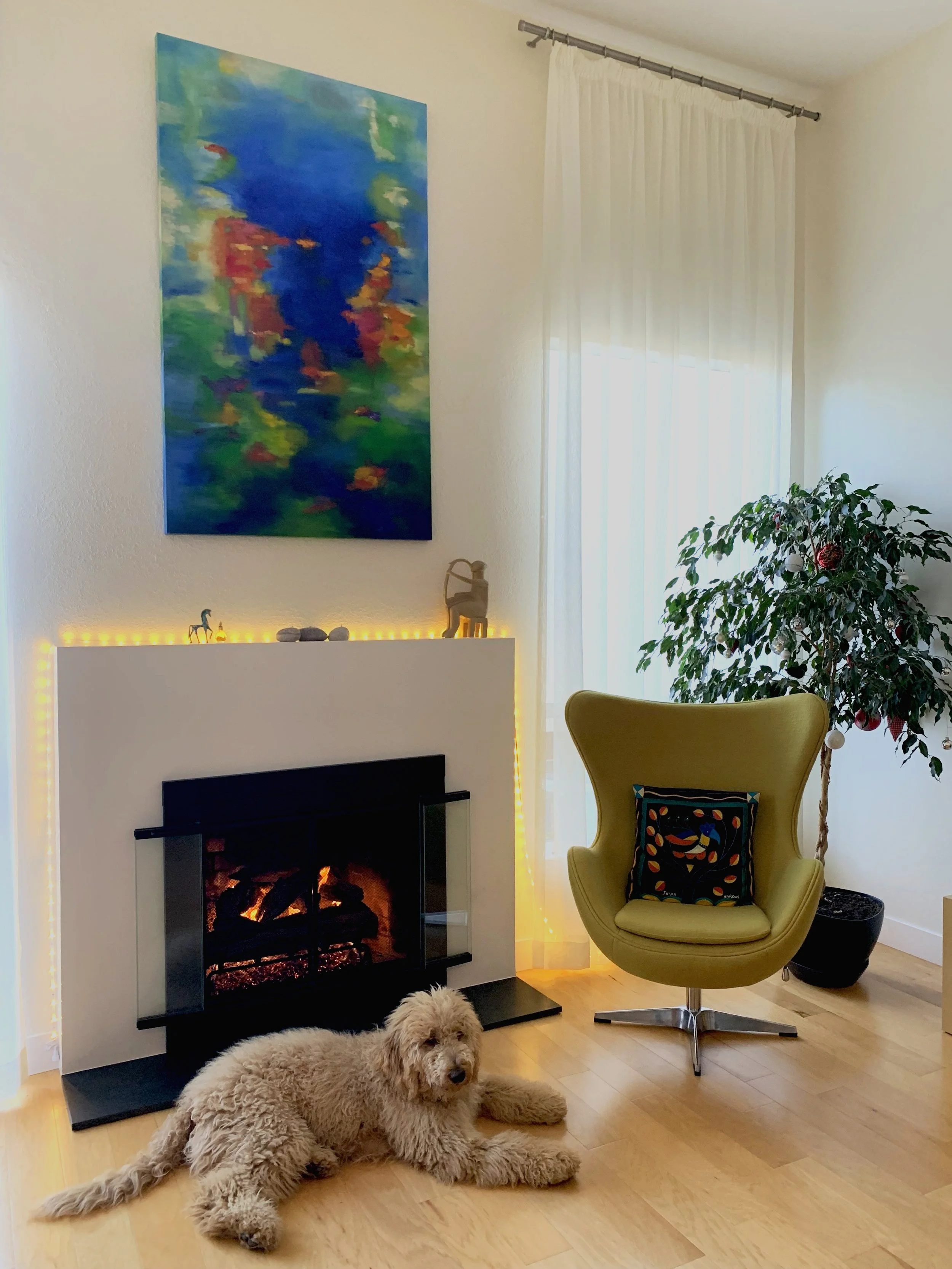
How to Implement Biophilic Design in Your Home
The materials in a home speak to the senses in ways that are difficult to explain but immediately felt. Wood is warm underfoot and to the touch. Stone is cool and substantial. Linen breathes. Wool absorbs sound. These are not aesthetic choices alone — they are sensory ones, and the body responds to them.
Choosing natural materials over processed ones also means choosing things that age honestly. A walnut countertop develops patina. A marble floor holds the cool of the morning. Linen softens with washing. This quality of changing over time — a home that shows it has been lived in — is deeply calming. It is the opposite of the clinical surfaces that photograph well but feel sterile to inhabit.
In practical terms this does not require starting over. Replacing synthetic throw pillows with linen ones. Adding a wool rug to a room that feels too hard. Choosing a solid wood side table over particleboard. These small decisions accumulate into a home that feels genuinely different.
Curtains over blinds is one of the simplest changes with the most impact. Fabric moves with air. It catches and softens light. It introduces texture to a flat wall. Billowy linen curtains move with a breeze in a way that stimulates the nervous system gently — this is what biophilic design calls non-rhythmic sensory stimuli, the unpredictable small movements we associate with being in nature.
In kitchens and bathrooms — the highest-traffic surfaces in a home — material selection carries particular weight. Durability, texture, pattern, and maintenance all matter alongside beauty. The mosaic Azul marble floor in the Ruby Hill bathroom is an example of organized complexity: a surface with natural variation and pattern that the eye finds familiar and calming rather than demanding. This is not an accident of taste. It is a design decision grounded in how the brain processes visual information.
Color — Nature's Palette Indoors
Color is one of the most accessible and most underused tools in biophilic design. The colors we associate with nature — the greens of moss and leaf, the warm neutrals of stone and sand, the soft blues of water and sky, the deep earth tones of wood and soil — have a measurable calming effect precisely because they signal safety and abundance to the nervous system.
This does not mean painting every room green. It means building a palette that has warmth, depth, and some reference to the natural world. In the homes I design, color decisions are made in relation to the light in the room, the materials chosen, and the particular culture and sensibility of the people who will live there. A warm stone in a north-facing room. A cool sage in a sun-drenched kitchen. A deep walnut tone in a home office that needs to feel grounding.
What to avoid are the extremes that work against the nervous system: stark white rooms with no warmth, or highly saturated colors that stimulate rather than restore. The goal is a palette that you stop noticing after a week — because it has become the right background for living.
Colors that age well in natural light, that shift between morning and evening, that complement rather than compete with natural materials — these are the choices that make a home feel resolved over time.
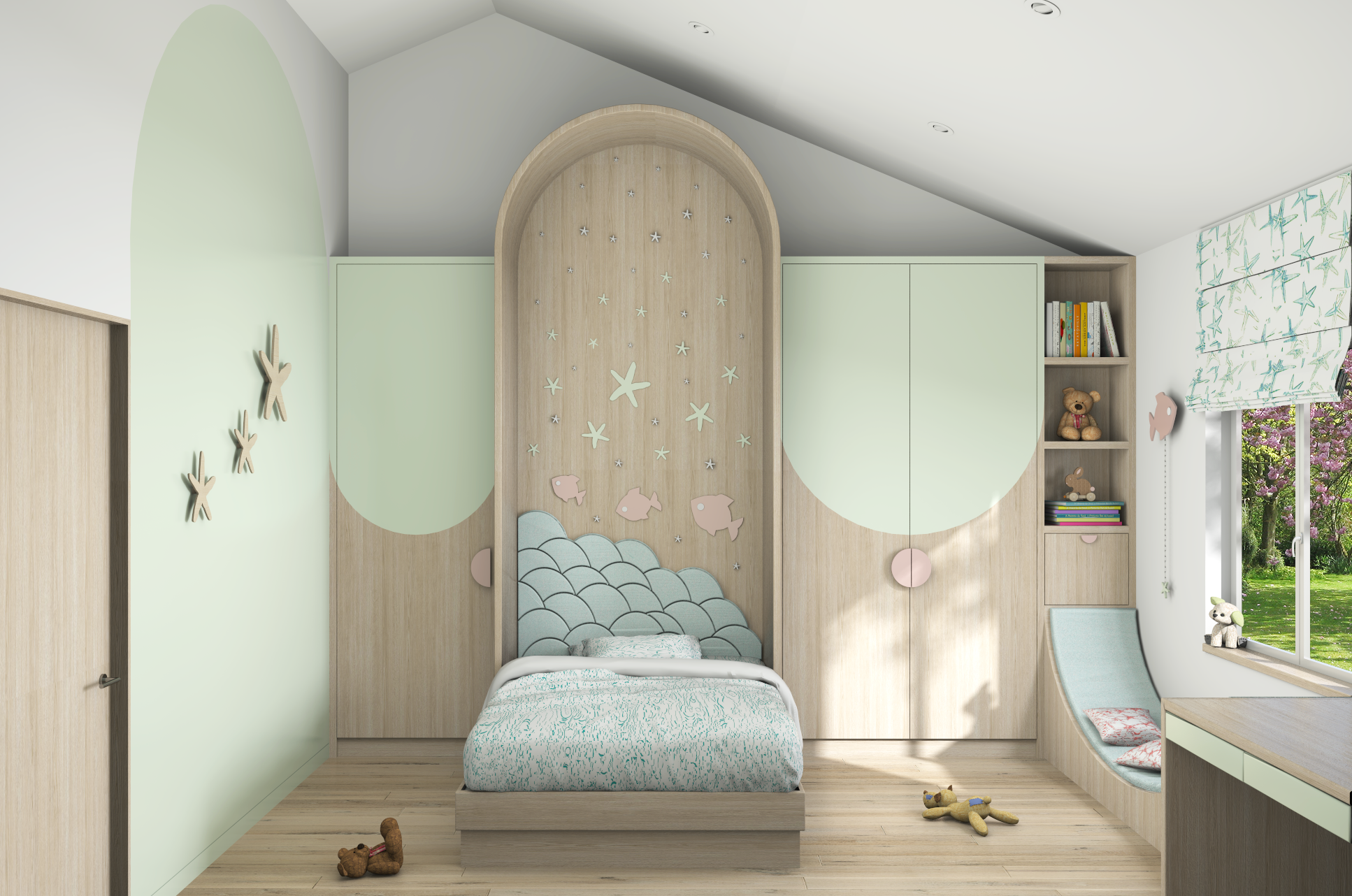
See biophilic principles applied in a children's room → Children's Room Design →"
Greenery — The Easiest Entry Point
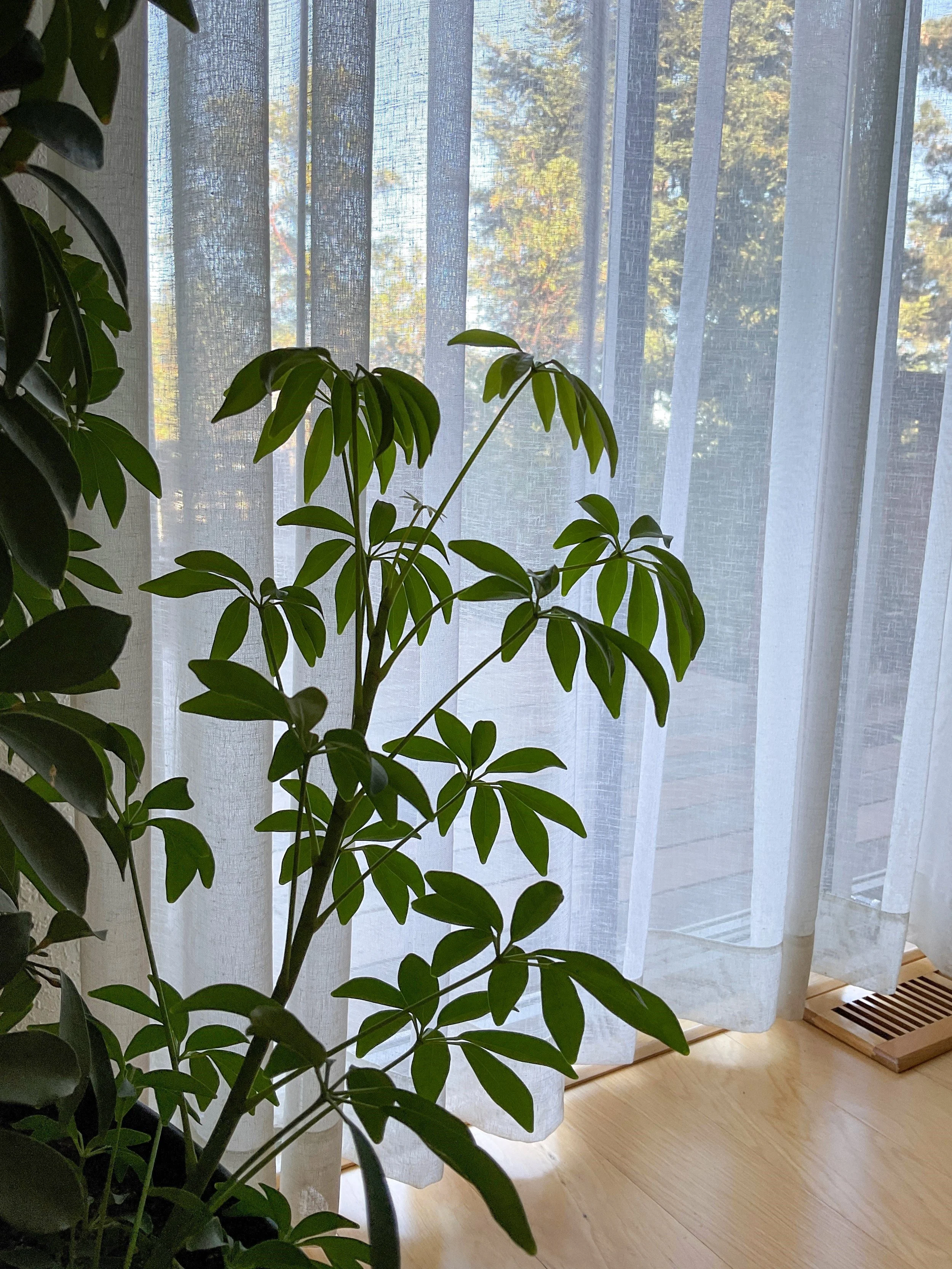
Plants are the most immediate way to bring life into a room. Not because they are decorative — though they are — but because they move, breathe, and change. A plant is the only thing in a room that is genuinely alive alongside you, and the presence of that aliveness registers, even subconsciously.
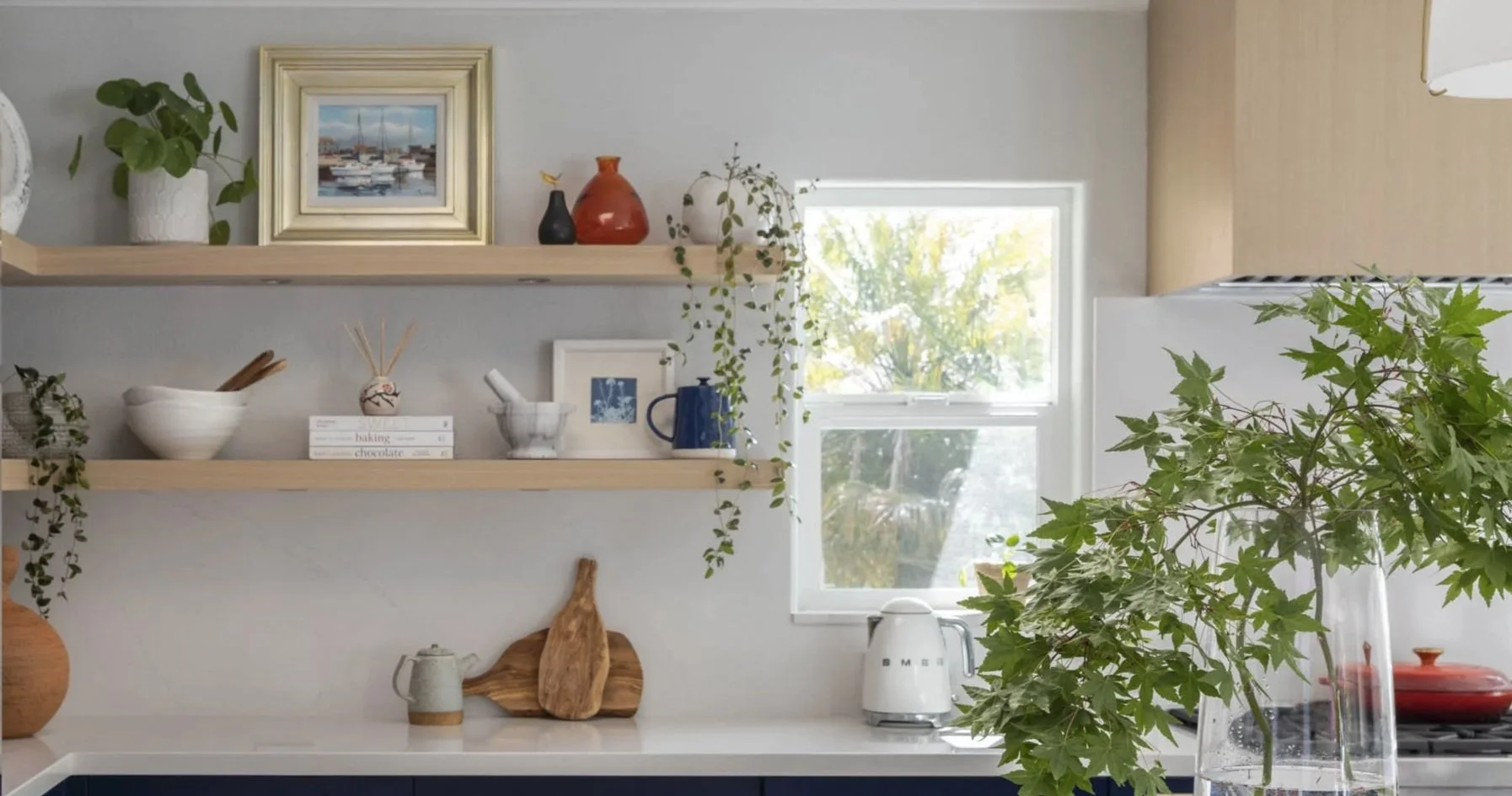
The research is clear: even modest amounts of greenery reduce stress, improve focus, and make a room feel more welcoming. The effect doesn't require a dedicated plant wall or a greenhouse kitchen. A single large-leaf plant in a corner. A cluster of different heights near a window. A trailing plant above a bookcase. These are enough to shift the quality of a room.
The key is placement. Plants belong where you spend time, not where they're most visible from the door. Near where you sit in the morning. On the desk where you work. In the bathroom where you begin your day.
Organic Forms and the Softness of Curves
Straight lines and hard right angles are efficient and architectural — but they are rare in nature. Most of what we find calming outdoors — a riverbank, a tree canopy, a hillside — moves in curves.
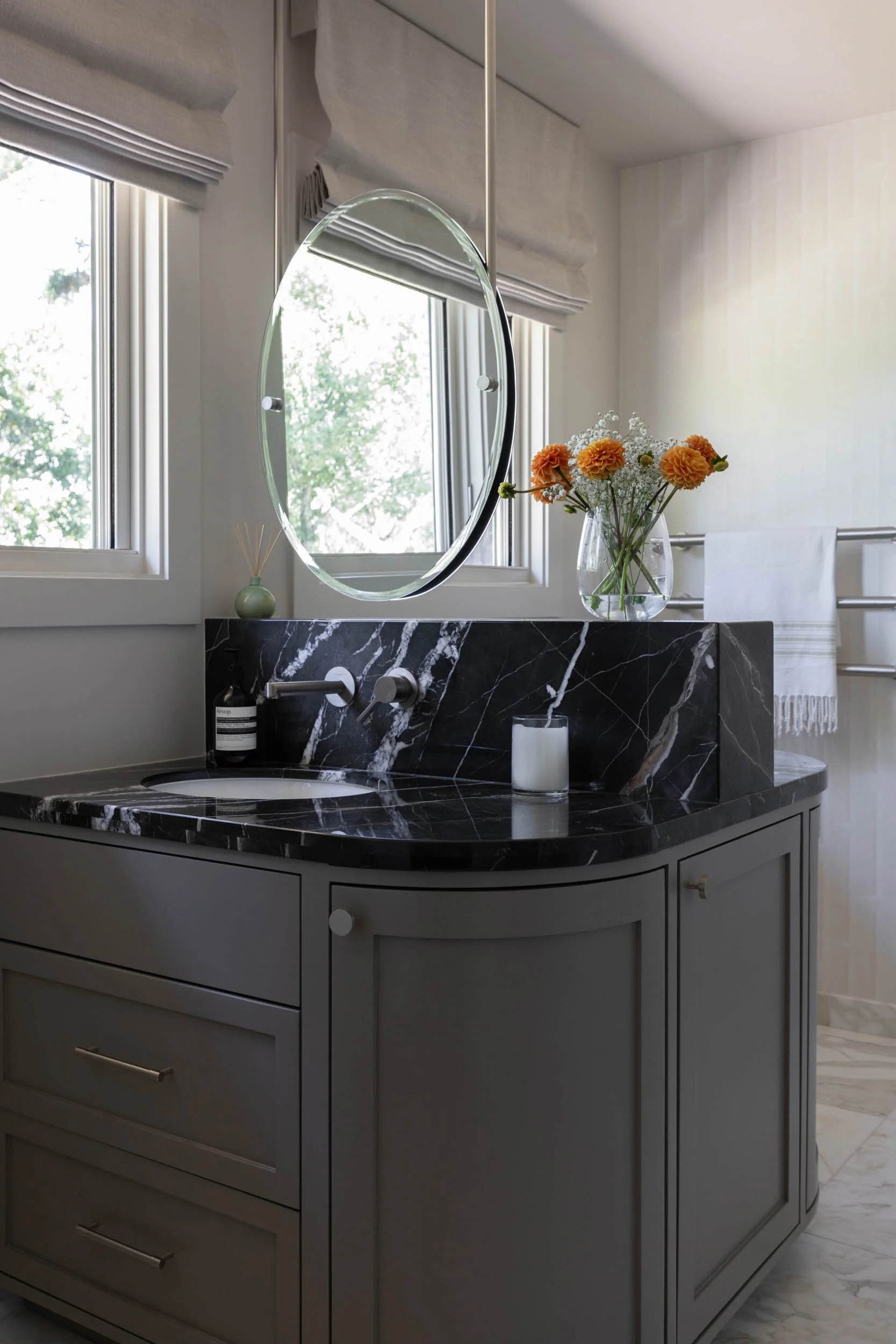
Introducing curved forms into an interior is not about being decorative. It is about reducing the visual tension that comes from too many hard edges. A curved sofa. A round dining table. Cabinetry with a gentle radius on the doors. Mosaic tile that carries natural movement across a surface. These choices make a room feel easier to inhabit.
The Orinda primary bathroom was designed almost entirely around curves — a custom curved glass shower enclosure, a two-faced curved vanity that preserves the garden view from both positions, ceiling-hung mirrors on each side. Not as a style statement but because the room called for softness, and softness in a bathroom means curves. The result is a space where nothing is tense. Every line leads somewhere calm.
Orinda Sanctuary — primary bathroom →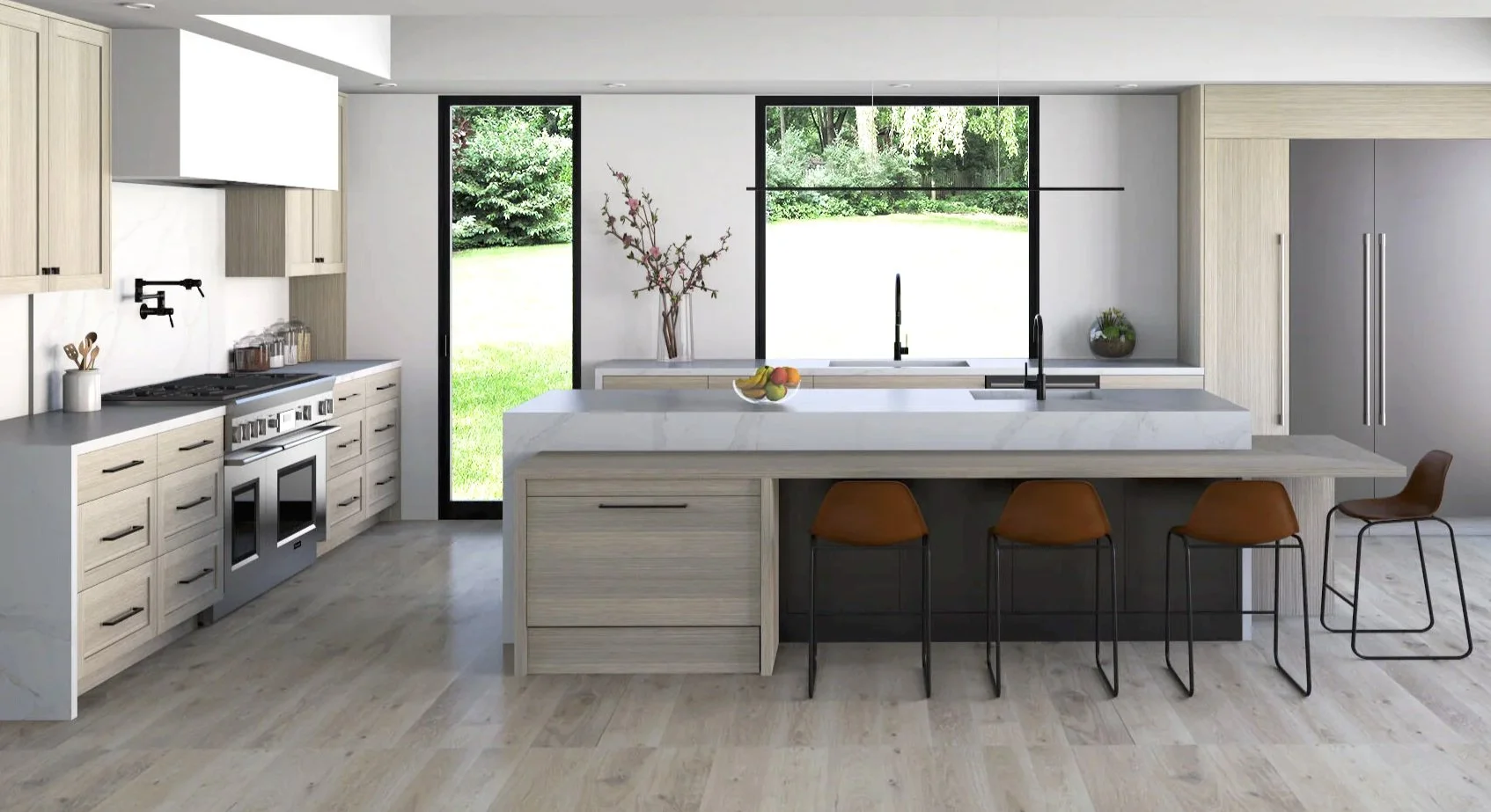
Spatial Clarity — Open Yet Organized
Since more people began working from home, the demand for open-plan spaces increased dramatically — but open plans without thoughtful organization create a different problem: visual clutter that fragments attention and makes it difficult to feel at ease in any part of the room.
The biophilic principle of spatial clarity and intuitive wayfinding is about making a home feel open while also making each area feel purposeful. I approach this through smart storage solutions that remove clutter from surfaces, through material transitions that naturally define zones without physical barriers, and through furniture placement that creates areas of prospect (openness, views) alongside areas of refuge (enclosure, calm).
A well-organized open plan should feel like a forest, not a field — you can see far, but there is structure and layering that gives the eye somewhere to rest.
In the French Country Estate renovation, a single wall was removed to connect the kitchen, dining, and living areas. But the spatial clarity of each zone was preserved through lighting, material changes, and cabinetry that defined the edges without closing them off. The home feels generous and open while remaining easy to navigate.
What I practice is nature-inspired interior design rooted in how people actually live...

Air, Sound, and the Senses Beyond Sight
Biophilic design addresses all the senses. Two of the most overlooked are air and sound.
Fresh air moving through a room is one of the most immediate ways to feel less enclosed. The simple habit of opening windows in the morning resets the sensory quality of a space in a way that no product can replicate. Where cross-ventilation is possible — windows on opposite walls or floors — that airflow is worth protecting when arranging furniture and window treatments.
For sound, the goal is not silence but a softened, layered acoustic environment. Hard surfaces — concrete, tile, glass — reflect sound and create sharpness. Natural materials absorb it. Rugs, curtains, upholstered furniture, bookshelves — all contribute to a room that sounds as good as it looks. In the Azul primary suite, an in-ceiling sound system was integrated into the design from the beginning, allowing the bathroom to hold music as a natural part of the morning or evening ritual. This is biophilic design applied to sound: the quality of the acoustic environment as deliberate as the quality of the light.
Water is both sound and sight. A small tabletop feature, a fountain visible through a window, a garden audible from a room — these are among the most restorative elements you can introduce, precisely because they move and change in unpredictable ways that the nervous system reads as safe.
Design That Knows Who Lives There
Biophilic design is never a formula. The natural elements that feel grounding and welcoming to one person may not carry the same meaning for another. Culture shapes our relationship to nature in ways that are profound and often invisible.
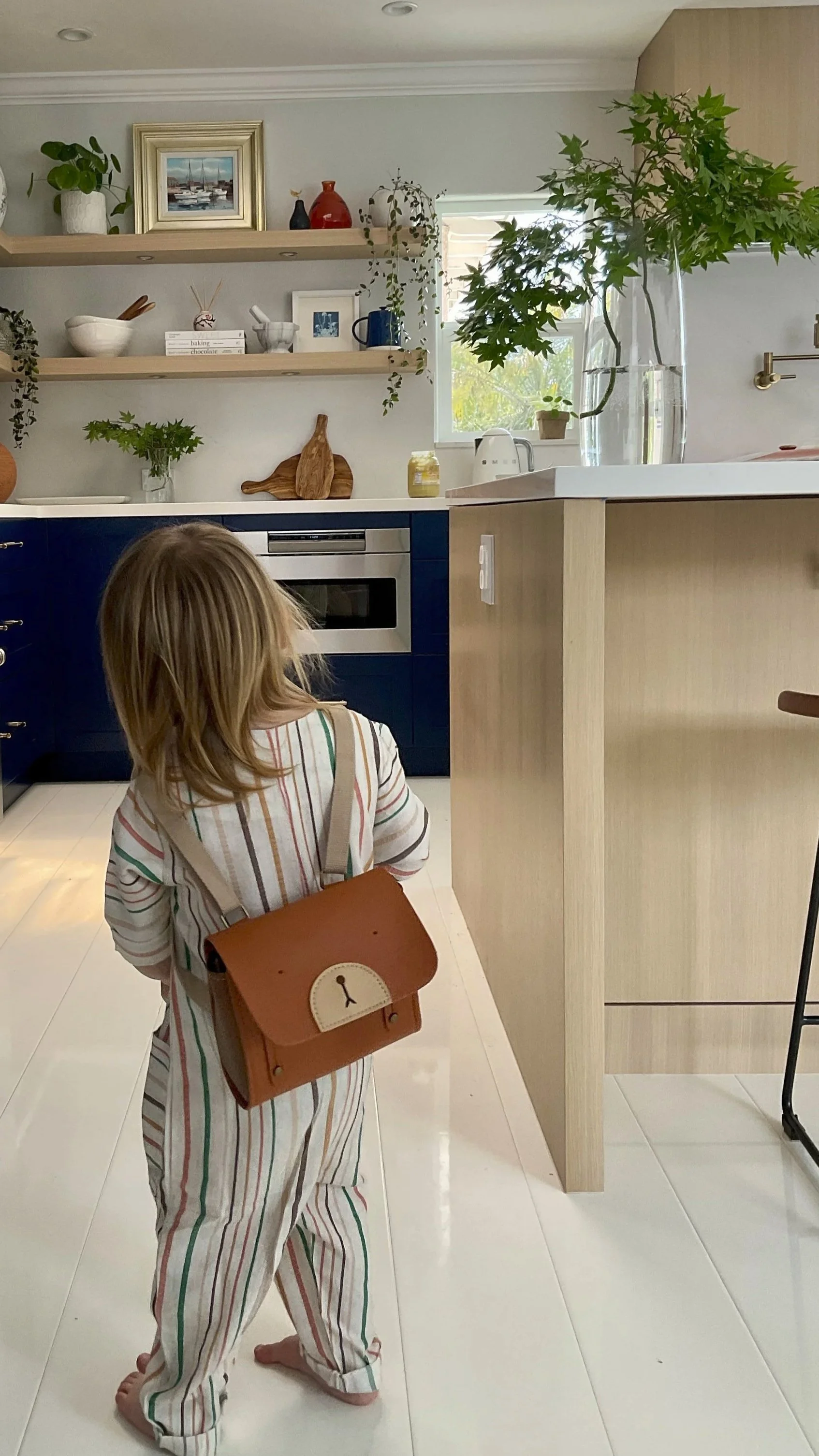
In my practice, this means I approach each project by understanding not just the architecture but the people — how they cook, how they move through a morning, what light means to them, which materials connect them to their heritage. I have designed spice drawers organized around how a family actually cooks. Closets built around the rhythm of traditional clothing and the particular sequence of a morning. Kitchens oriented toward the garden because that specific family needed the visual connection to the outside while they prepared food. Bathrooms with heated floors because the sensory quality of warmth underfoot at 6am changes the entire experience of beginning a day.
The Bay Area, with its extraordinary cultural diversity, gives this dimension of biophilic design particular richness and particular responsibility. A home that integrates nature in a way that is personally meaningful — not generically "organic" — creates something that supports identity and belonging alongside well-being.
That is the difference between applying principles and designing a home.
Studioayse brings biophilic interior design principles to residential renovations throughout Walnut Creek, Orinda, Lafayette, Lamorinda, Pleasanton, and the greater San Francisco Bay Area.
BEGIN A CONVERSATION →REFERENCES
Environmental Protection Agency (Indoor Air Quality / Time Use Statistics)
Kellert, S. R., Biophilic Design Principles
Journal of Environmental Psychology
Human Spaces: The Global Impact of Biophilic Design in the Workplace